In modern science, we take field-wide handbooks for granted. It’s just how good science works. Walk into any university library, and you’ll find shelves full of expansive, 500-page textbooks on the physics of planetary bodies and the science of emotions. You can even find meticulously documented field guides on the life cycle of mosses.
These books serve a vital function. They bring together everything we know on a given topic into an evidence-based foundation, so anyone can engage with it in a rigorous way.
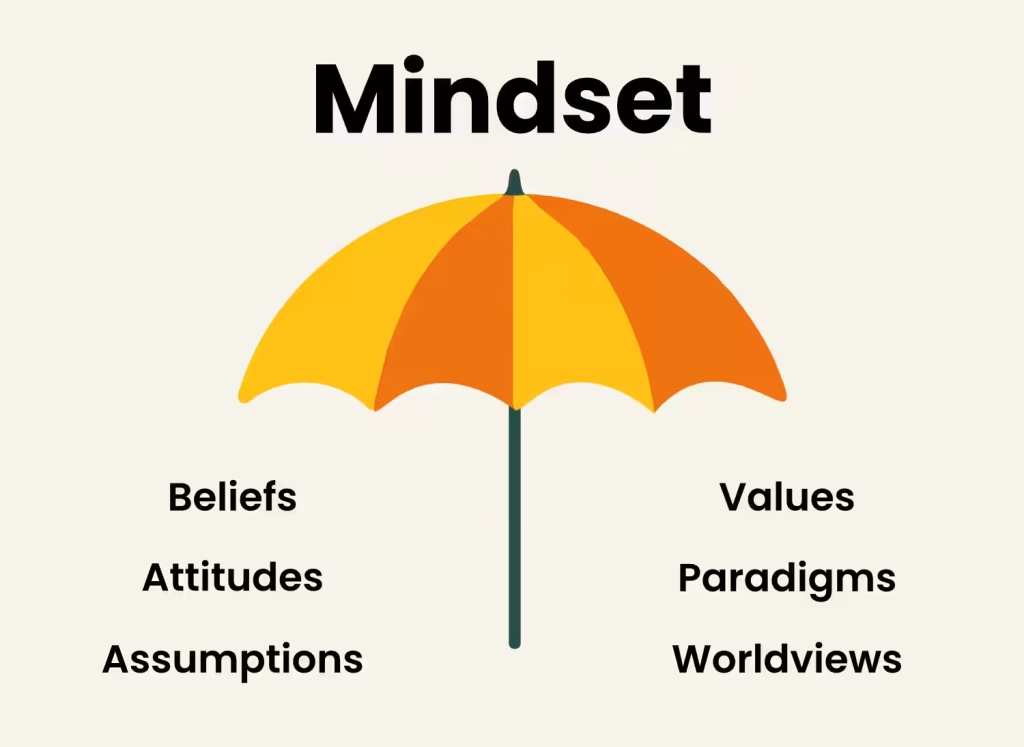
I am a mindset practitioner and scientist. Imagine my surprise, when one day, I walked into my local library and was unable to find such a book on the topic of mindset. Instead, I encountered a shelf full of books presenting a remarkable diversity of perspectives that rarely engaged with one another as a whole field, like a giant pile of jigsaw puzzle pieces with no way to see the big picture. As a result, while each book was valuable and informative in its own right, together they appeared to leave us without coherent answers to some of our most basic questions, including: What is a mindset? Why does it matter? How can we intervene effectively?
This isn’t just a scientific gap; it has practical implications for everyone working with mindset. Every year, millions of hours of energy and effort are poured into mindset work as part of school programs, executive coaching, and organisational change initiatives. Yet much of this work appears to be happening without access to a shared, field-wide foundation. As a result, many of us may be left to work with partial tools, unaware of what the mindset field, when taken as a whole, has collectively learned.
Most books on mindset only give us a piece of the puzzle, not the full picture. Given the challenges we face in the 21st century, we have a genuine need to understand mindset as rigorously as possible.
This realisation changed everything for me. Over the course of a decade, I decided to design and lead what may be, to my knowledge, the first field-wide study of mindset science. This included studying 40+ theories, 100+ definitions, 1800+ types, and 40+ supporting traditions coming from Western, Eastern, Indigenous, and wisdom traditions. It also included reading a diversity of books, such as Mindsets by Glen Fisher, Immunity to Change by Lisa Laskow Lahey and Robert Kegan, and lots of books on Carol Dweck’s fixed and growth mindset theory.
And what this research reveals about the state of the field is, quite frankly, startling. It’s a field where the most basic and consequential questions: what is mindset, where does it come from, how does it work, and what are all its forms and functions, appear to be still genuinely open. That is extraordinarily rare in modern science. It suggests that those engaging in rigorous, field-wide work today are, in a very real sense, building the field from the ground up.
A new era of field-wide mindset books
When I first decided to study the mindset field in its full breadth, I thought I was looking at maybe a year’s work. A serious, dedicated year. Read everything, map the landscape, write a book that could help the mindset field see itself as a whole.
Well, a decade later, this research program resulted in five books. If you would like to check them out, here are three recommendations:

The Nature of Mindset by Ash Buchanan. A field guide to the collective knowing of the mindset sciences, including its past, present, and emerging future.
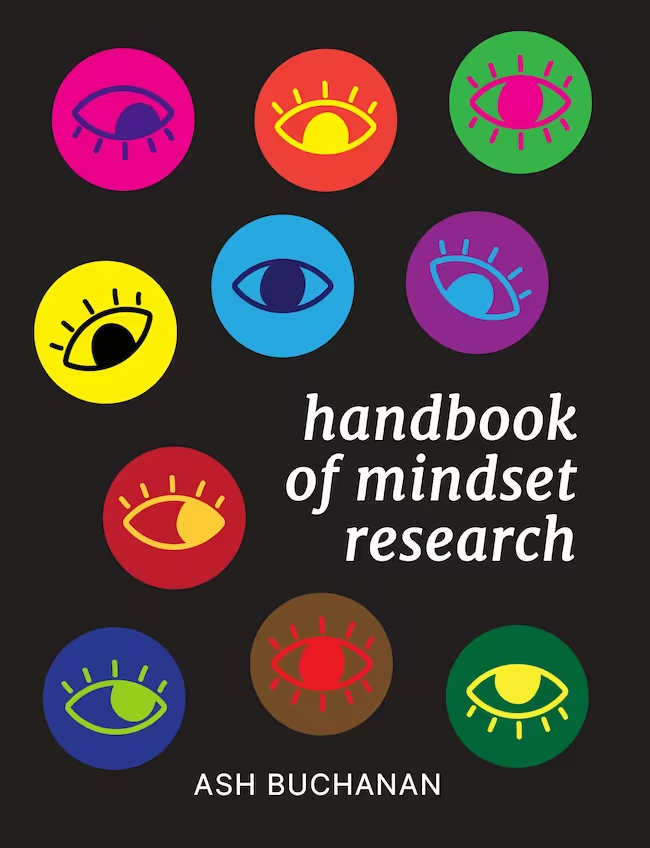
Handbook of Mindset Research by Ash Buchanan. A series of research papers that review mindsets many definitions, theories, typologies, and more.

Mindset Aware by Ash Buchanan. A practical book which provides an overview of 16 new and ancient science mindset principles.
If there is anything this research journey has taught me, it’s that once you can see the field-wide picture, something quite profound comes into view: we are on the cusp of a new generation of mindset work. One that has the power to reshape how we live, lead, and learn, and to offer new ways of responding to the most pressing challenges of our time.
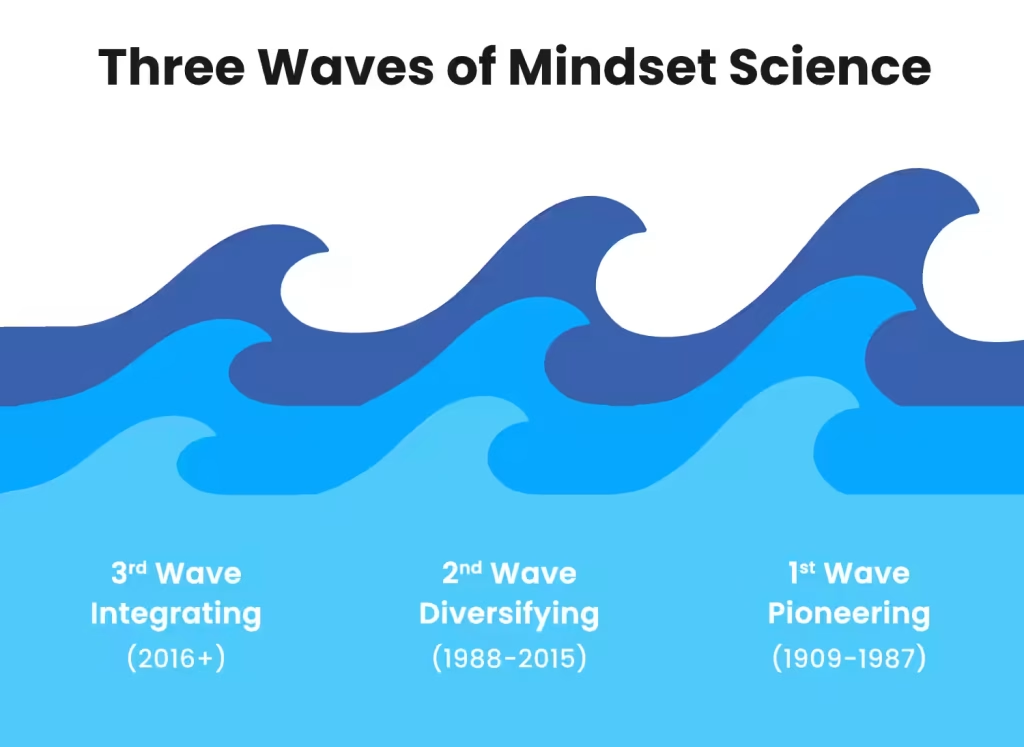
Engaging in this field-wide research also challenged me in many ways. For instance, I’m not a historian. This is not my training or background. But I had to become one. Because I was unable to find a detailed account of mindset history. And I kept thinking, how can I call myself a mindset practitioner if I don’t know the history of my own field? And what does an entire field lose if it doesn’t have a shared understanding of its own origins?
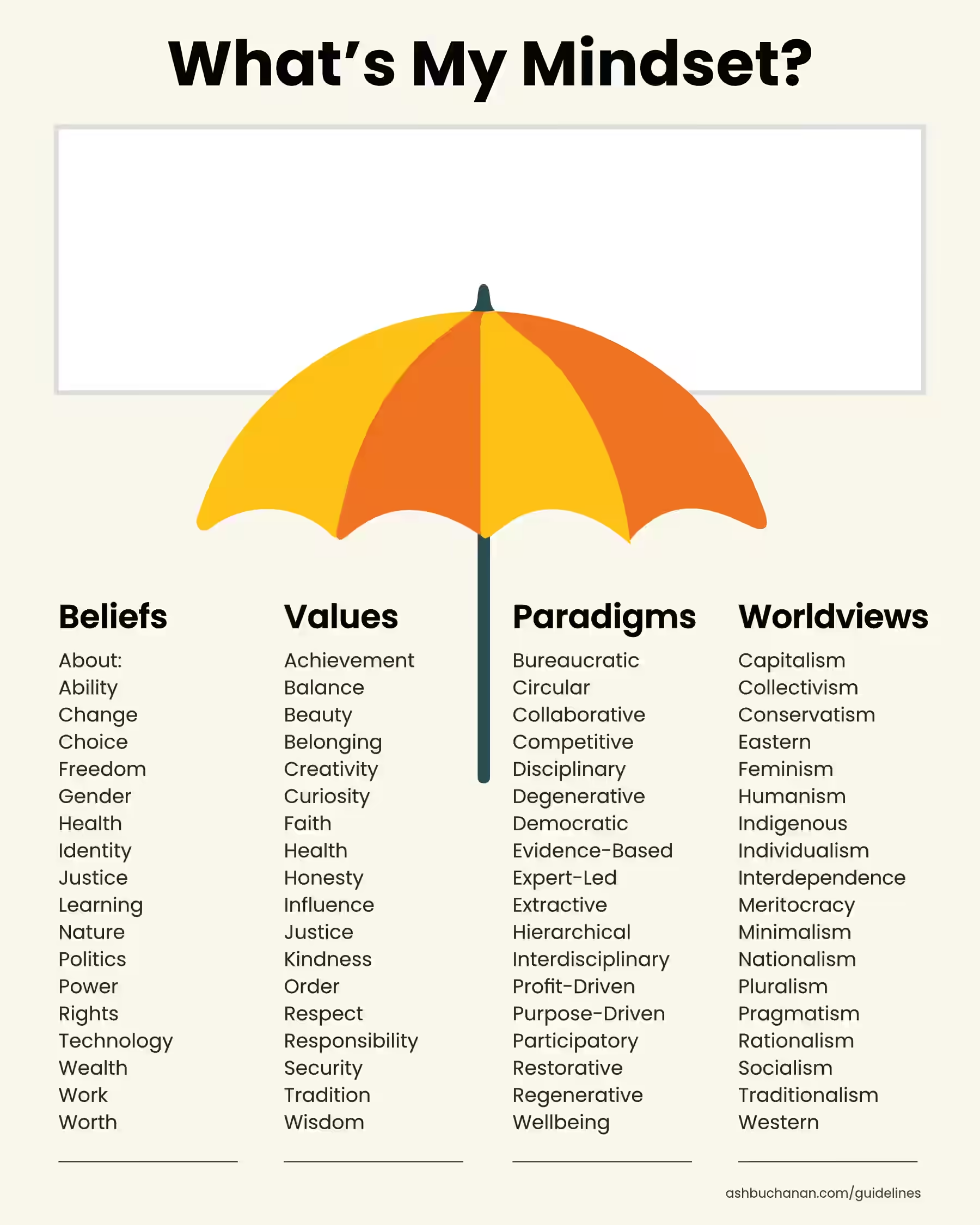
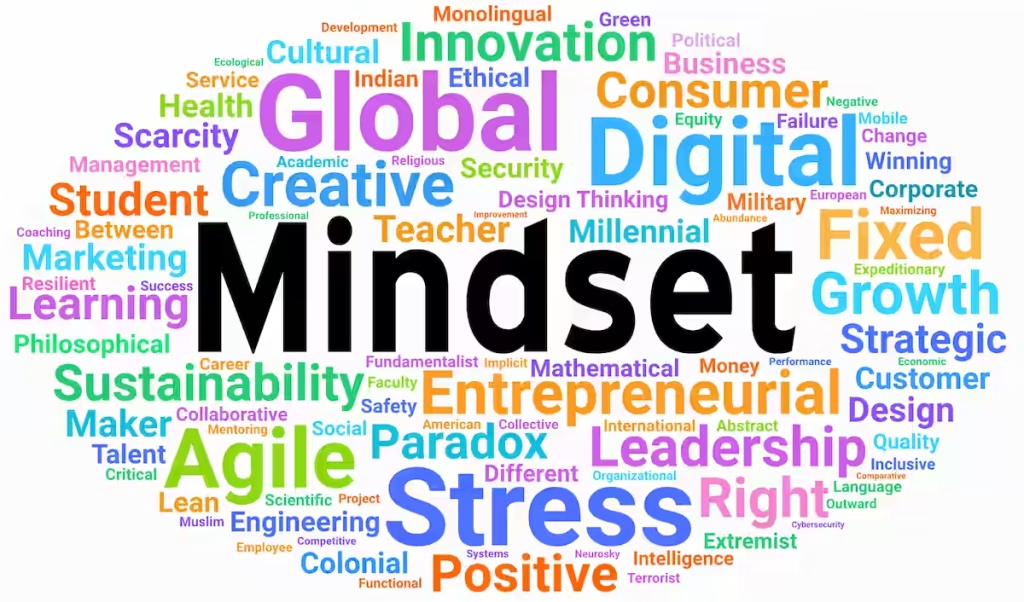
At another point I was studying mindset types. I thought maybe I’d find 30 or 40. Then I hit a hundred. Then 500. By the time I had finished, I arrived at just over 1800. Yes, 1800. If you ever thought that there were perhaps only one or two types of mindset, imagine staring at 1800 types named in the scientific literature, and there was no book or paper that brings them all together. Part of me finds this number to be wild. Another part of me finds it to be wonderful, that 1800 different types of mindset have been identified that we, as humans, can develop.
So, are mindset textbooks ready for a rewrite?
This brings us back to the wider library of mindset books, and to the question posed in the title of this piece: do mindset textbooks need to be rewritten? I believe there may be great value in doing so. But first, it is important to be clear about what I mean by “rewriting the books.”
In many scientific fields, the cliché of “rewriting the textbooks” is sometimes used to describe a new discovery that renders an established finding obsolete, or in need of correction. There may well be places in the mindset field where this kind of rewriting would be welcomed, such as addressing inaccurate or missing stories of mindset history.
However, the broader opportunity I see here is to author a whole new generation of mindset books, ones that are informed by the collective knowledge of the mindset field. The kind of books that cover the mindset field and its many different theories and definitions as completely as possible. Books that explore the 1,800+ types of mindset that have been identified, rather than reducing our understanding to just one or two of them. Books that can help us move through profound mindset shifts in our very way of understanding mindset.
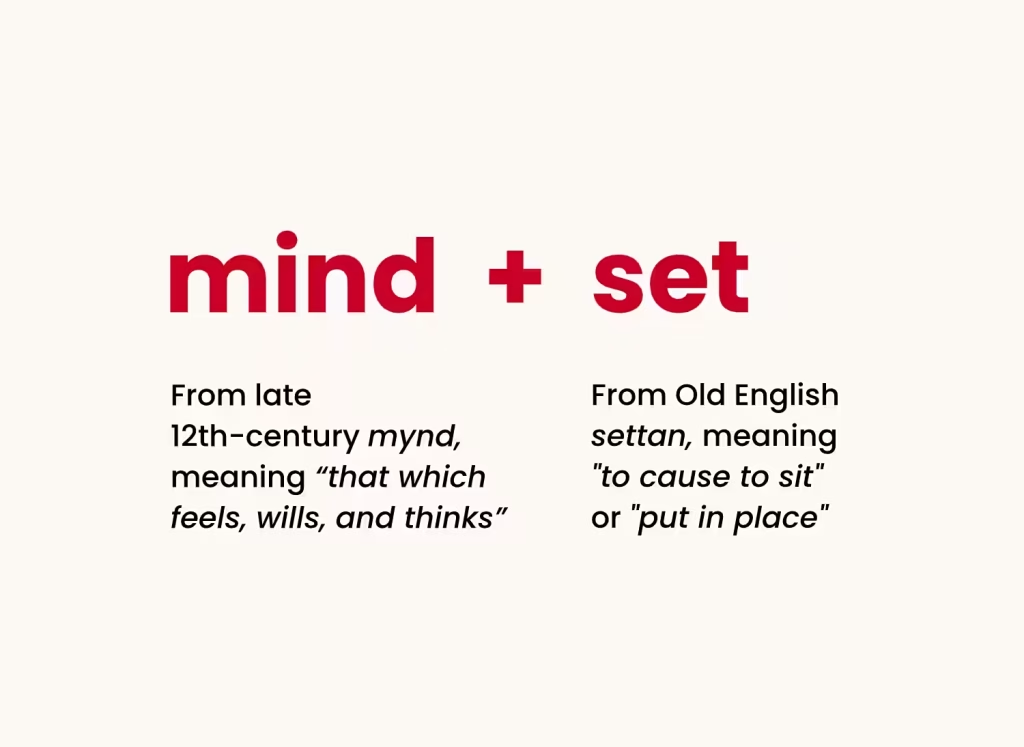
In this sense, perhaps we should never stop rewriting mindset books. We are always learning, discovering, questioning, and developing new forms of understanding. We have an opportunity to create a living library of mindset books that are never set, but always evolving based on the collective knowing of the field.
Its time to create a library of mindset books that are based on the mindset sciences as a whole.
Ash Buchanan
So, the next time you come across a mindset book, it’s worth considering where it sits within the larger library of mindset knowledge. What perspectives does it draw on, what does it leave out, and how might it change as our understanding continues to grow? That’s a conversation worth having, and the mindset field will be better off for everyone who contributes to it.
Share this article
About the Author
Ash Buchanan, MAPP, is a mindset scientist, teacher, and bestselling author who led a decade-long research program studying the mindset field as a whole. He offers training, learning partnerships, and project support for people and teams who want to use mindset science to engage complexity and create meaningful change. Ash is the author of five books, including the #1 Amazon bestsellers: Mindset Aware, The Nature of Mindset, and Handbook of Mindset Research. His research appears in Springer Nature, International Journal of Wellbeing, and Middle East Journal of Positive Psychology.
References
Note: You are welcome to quote or reference short passages of this article for personal and educational use, provided attribution and a direct link to this page are given. Reference: Buchanan, A. (2026). Do Mindset Books Need to Be Rewritten?.
Buchanan, A. (2023). Perspectives: The History of Mindset: A Critical Review. Middle East Journal of Positive Psychology, 9, 79–99. https://www.middleeastjournalofpositivepsychology.org/index.php/mejpp/article/view/166
Buchanan, A. (2024). Handbook of Mindset Research. https://www.researchgate.net/publication/384903190_Handbook_of_Mindset_Research
Buchanan, A. (2024). The Nature of Mindset: A Field Guide and Psychology of Change, Transformation, and Healing.
Dweck, C. S. (2006). Mindset: The new psychology of success. Random House.
Fisher, G. (1988). Mindsets: The role of culture and perception in international relations. Intercultural Press.
Kegan, R., & Lahey, L. (2009). Immunity to change. Harvard Business Review Press.
Kilpatrick, W. H. (1925). Mindset and learning. In Foundations of method: Informal talks on teaching. (pp. 66–76). Macmillan. https://doi.org/10.1177/002205742510202415
Meadows, D. H. (1999). Leverage points: Places to intervene in a system. Sustainability Institute. https://donellameadows.org/archives/leverage-points-places-to-intervene-in-a-system/